Drying Your 3D Printer Filament
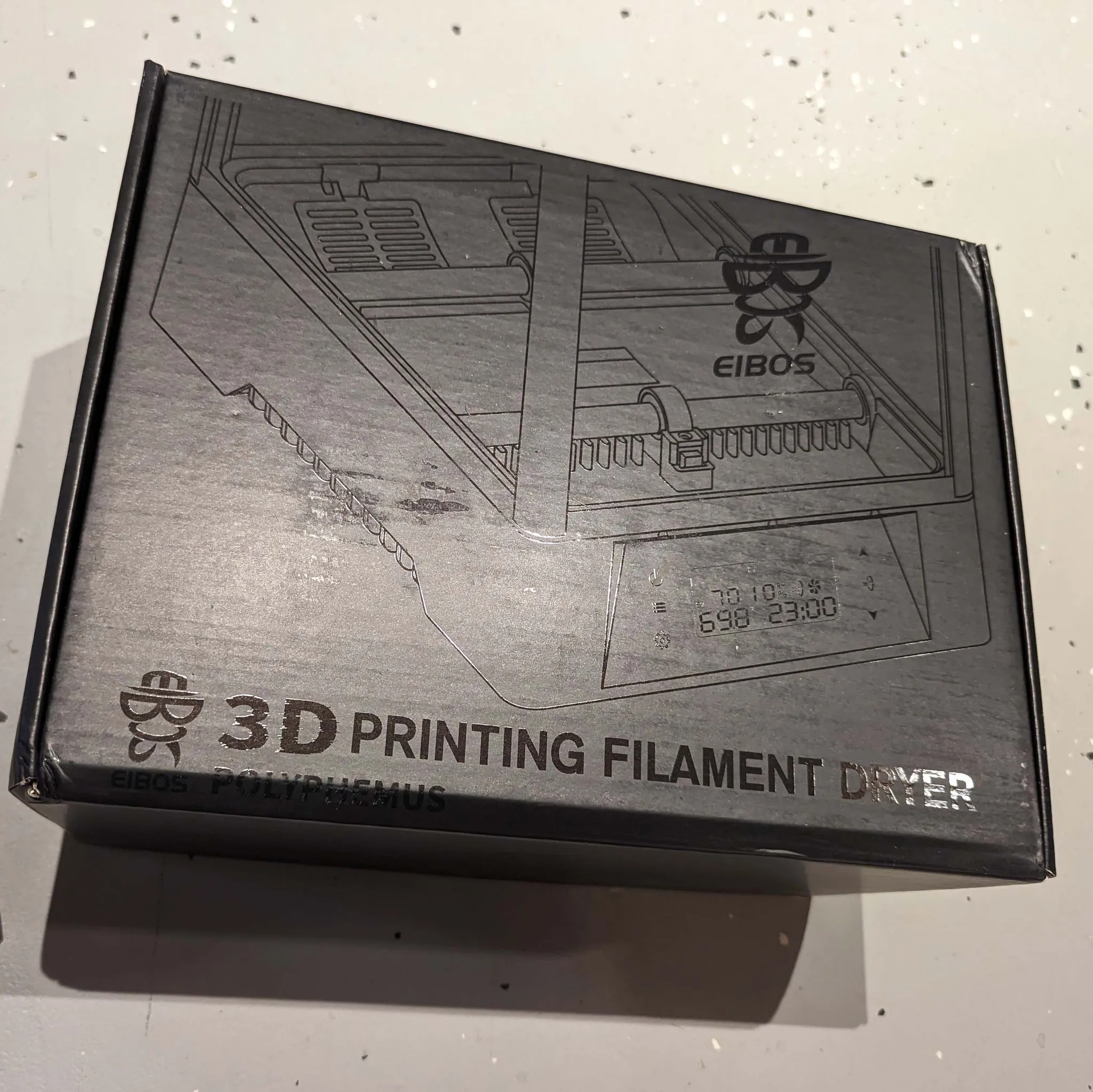
Thanks to Eibos for sending over their Polyphemus Filament Dryer to test out!
Introduction
If you’ve been 3D printing for a while, you may have noticed that print quality can degrade over time with older filament spools. This is often due to moisture absorption. 3D printing filaments are typically hygroscopic, meaning they naturally absorb moisture from the air. This absorbed moisture can significantly impact your prints, leading to issues like poor layer adhesion, excessive stringing, bubbling, and inconsistent extrusion.
To quantify exactly how much of a difference proper filament drying can make, I conducted controlled testing using the Eibos Polyphemus Filament Dryer and my custom material strength test rig.
Assembly
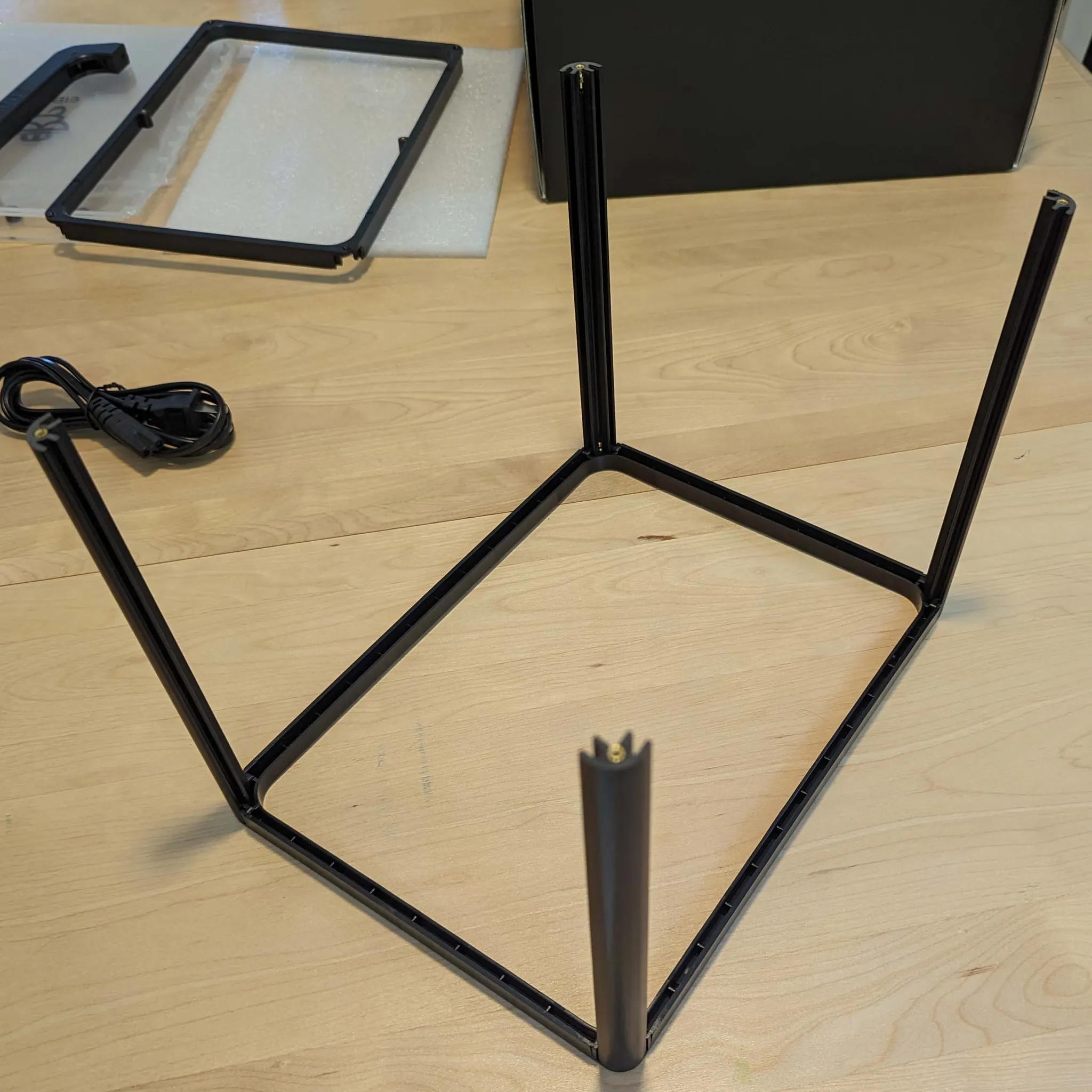
The Polyphemus arrives requiring some basic assembly, but the process is straightforward.
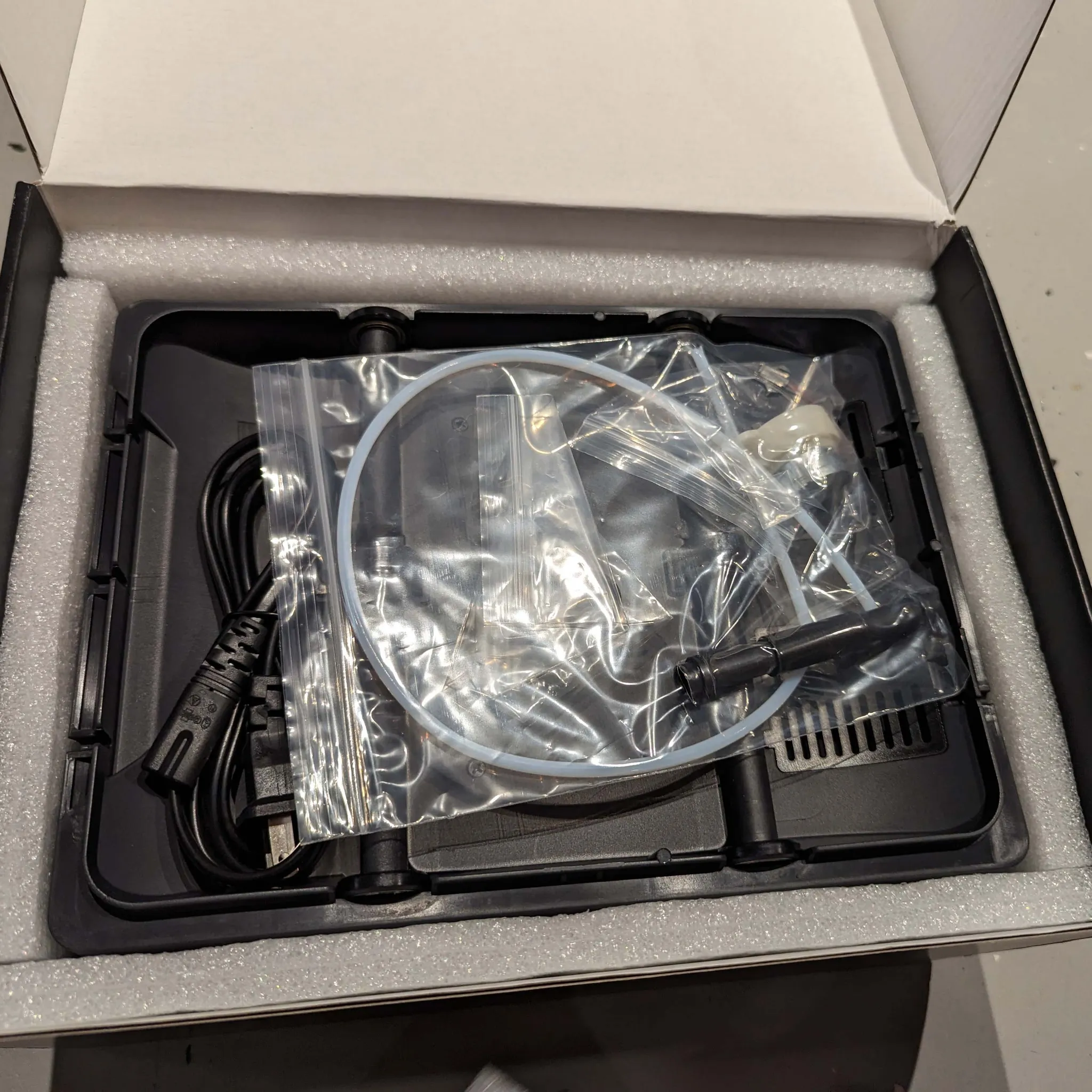
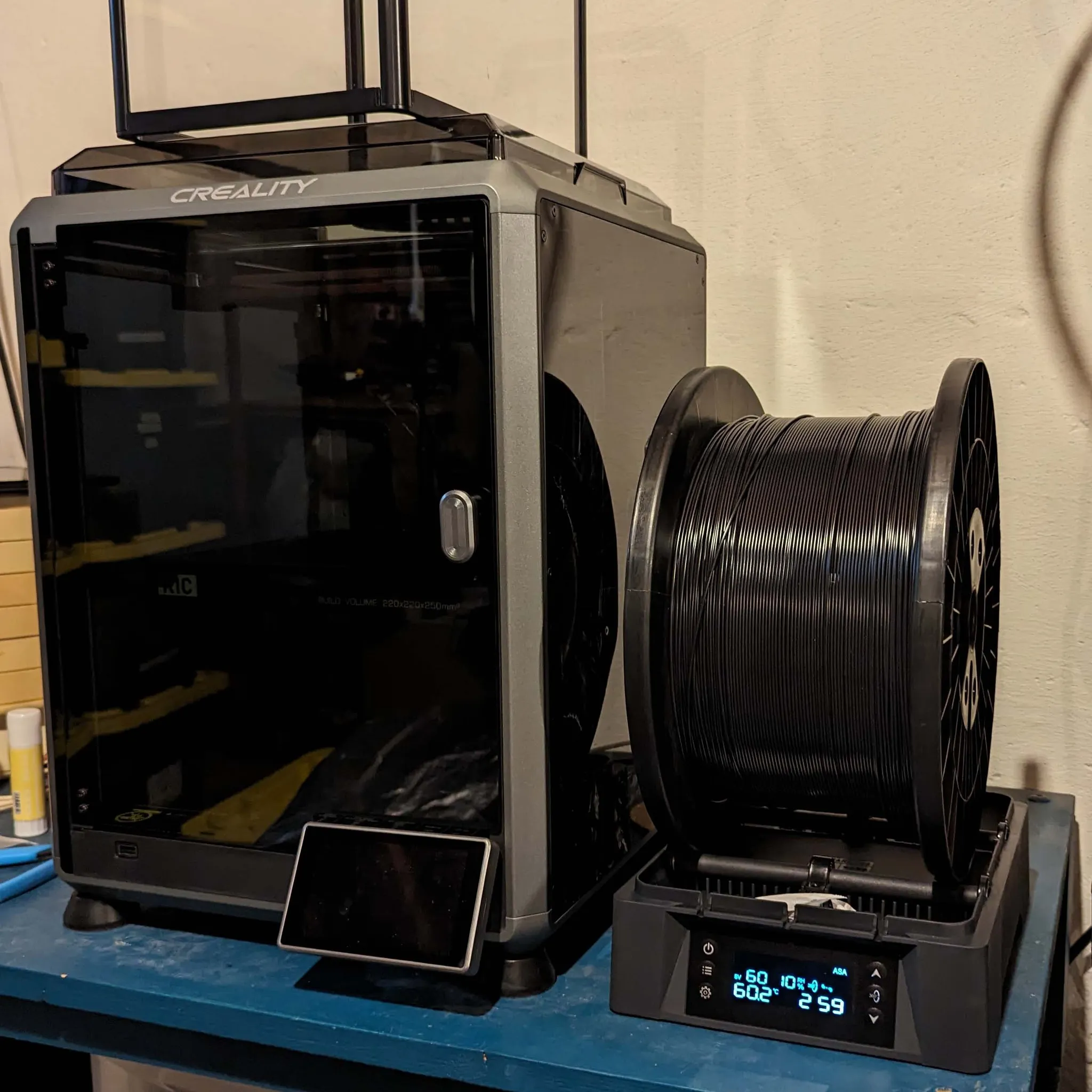
One notable feature is the transparent housing, which allows you to monitor your filament and ensure proper positioning during the drying process.
The dryer incorporates a ventilation system on the top. When drying is in progress, this vent stays open to allow moisture to escape. During storage, it can be closed to maintain a dry environment for your filament.
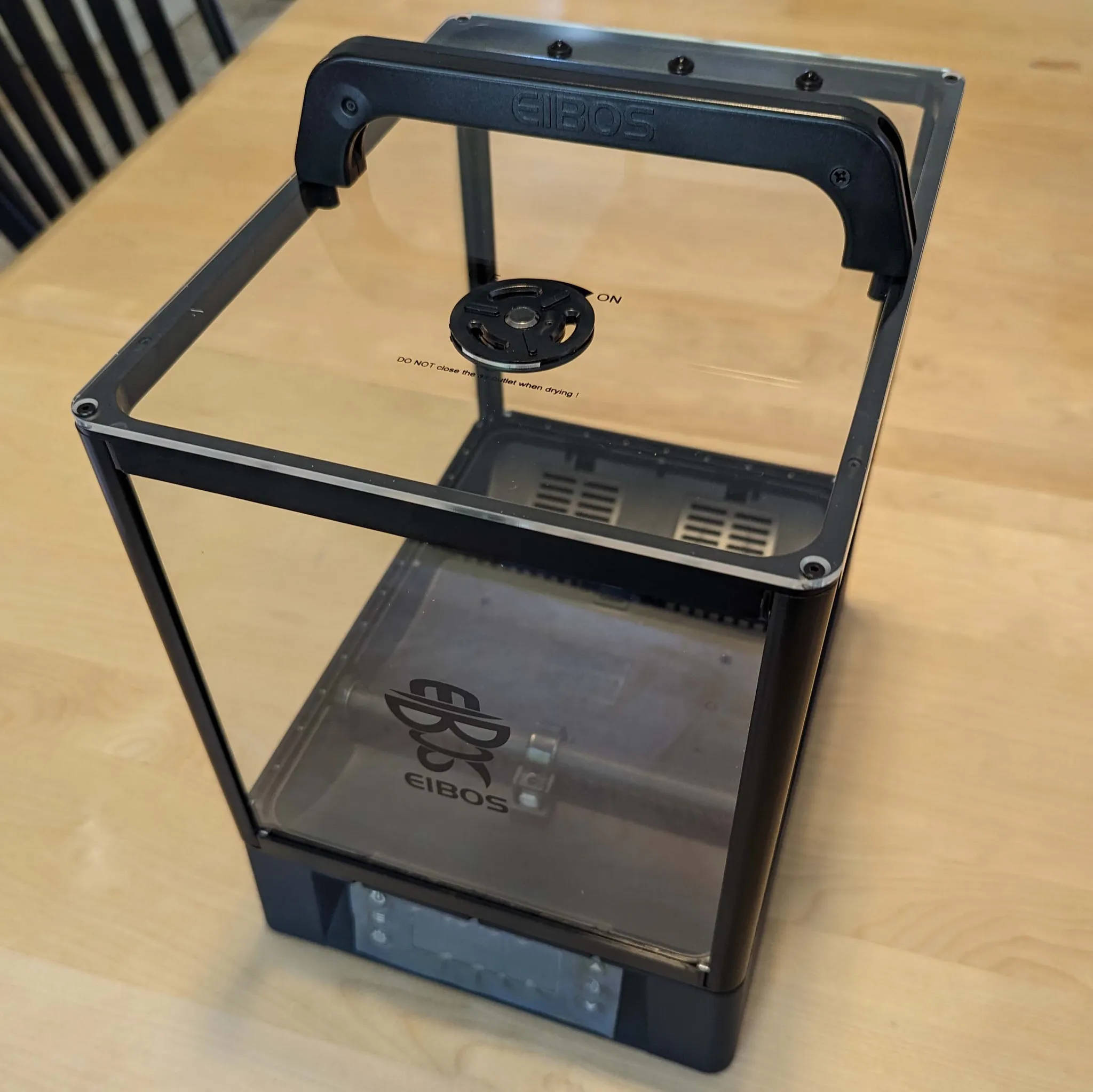
The base unit houses all the active components—the heating element, fan, temperature sensor, and control interface. This modular design is particularly clever, as it allows for future expansion. Need to dry larger spools? Simply attach the Eibos 3KG Extension while using the same base unit.
The base can even accommodate 5KG spools, though you’ll need a larger enclosure to fully cover them.
Testing Methodology and Results
You can see the full list of material tests over on my 3D Printer Material Comparison Website: material.nathantsoi.com.
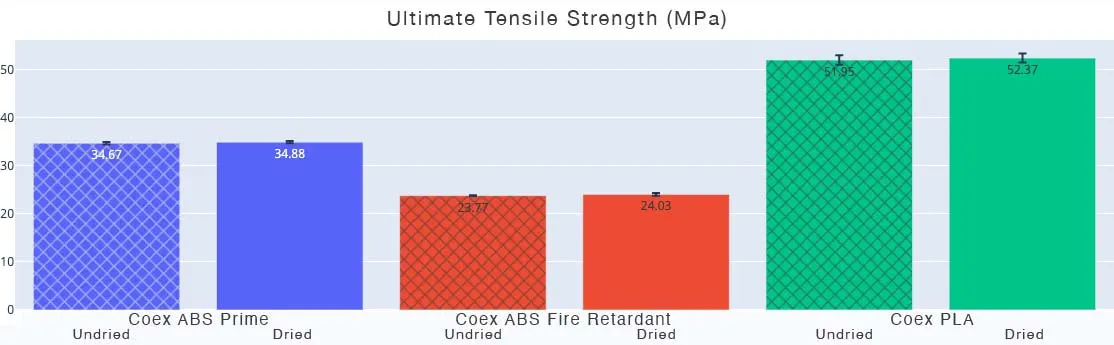
To evaluate the dryer’s effectiveness, I conducted a controlled experiment using three different filaments: two varieties of ABS and one PLA. All filaments came from sealed spools that were opened at the same time, approximately a year before the test, and were stored together with desiccant packets in the same container.
For each material, I printed eight test coupons—four before drying and four after drying the filament for the manufacturer’s recommended duration. These coupons were then subjected to tensile strength testing.
The results showed a modest but measurable improvement, with dried filaments demonstrating an average 0.8% increase in tensile strength. While this improvement might seem small, it’s important to note that these filaments were stored under relatively good conditions with desiccants. The impact would likely be more dramatic with filaments stored in more humid environments or with highly moisture-sensitive materials like nylon or PETG.
Conclusion
Ultimately, a filament dryer is a worthwhile investment for any serious 3D printing enthusiast, even if the numbers from my initial tests with well-stored PLA and ABS were modest. A 0.8% average increase in tensile strength confirms that removing residual moisture does positively impact the structural integrity of your prints, even when the filament has been kept in a relatively dry environment.
However, the difference is much more pronounced with more hygroscopic materials like Nylon, TPU, or PETG, as exhibited in my 3D Printer Materials tests.
If you primarily print with standard materials and already rigorously use sealed containers with desiccants, a dedicated active dryer might be a “nice-to-have” rather than a strict necessity. However, if you are looking to squeeze every bit of mechanical performance out of your parts, frequently work with highly hygroscopic engineering materials like Nylon, TPU, or PETG, or simply live in a humid climate, an active dryer becomes an essential piece of equipment.